
Nigerians struggling with soaring rents may find relief if the government cuts cement taxes, supports producers and expands access to affordable housing finance nationwide.
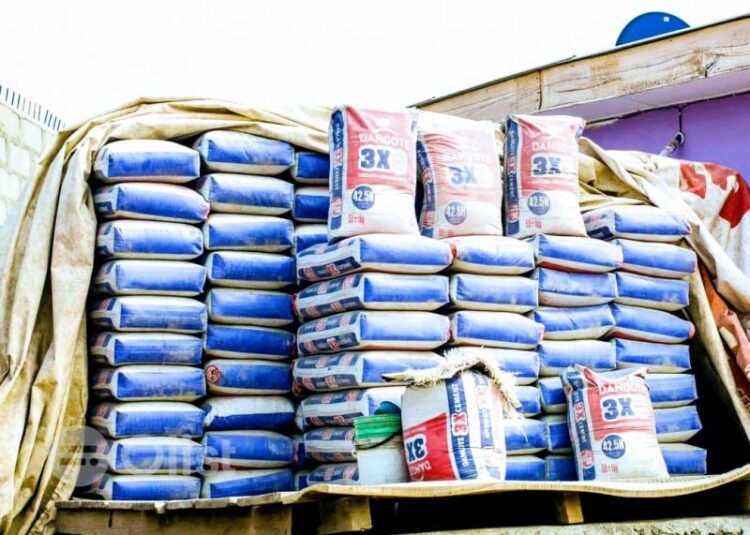
Cement prices have climbed above N13,000 per bag in parts of Nigeria, deepening concerns over construction costs, house rents and the country’s widening housing deficit.
Aliyu Wammakko, a housing expert and former president of the Real Estate Developers Association of Nigeria, said urgent government intervention was needed to make building materials and housing more affordable.
Speaking in an interview with a Nigerian media house, Wammakko identified tax reductions, production incentives, subsidies and improved mortgage financing as measures that could help bring down prices.
Wammakko said the rising cost of cement, iron rods and other essential materials was making it increasingly difficult for ordinary Nigerians to build or purchase homes.
According to him, a bag of cement that sold for about N7,500 in March 2025 now costs approximately N13,000, representing an increase of more than 70%.
The development has also placed pressure on landlords, property developers and tenants as construction and maintenance expenses continue to rise.
Wammakko argued that the surge in house rents was closely connected to the cost of materials used to build and renovate residential properties. “The higher cost of rent now in Nigeria doesn’t come by accident. It has its genesis in the cost of building materials,” he said.
To ease the burden, the former REDAN president urged the Federal Government to review the numerous taxes and levies imposed on cement manufacturers.
He said reducing production-related taxes and providing targeted incentives could lower manufacturers’ operating costs and enable them to sell cement at more affordable prices.
Wammakko also proposed a subsidy for cement production, explaining that cheaper building materials would reduce construction costs and ultimately moderate house prices and rents. However, any government support would require proper monitoring to ensure that savings given to producers are reflected in retail prices and benefit consumers.