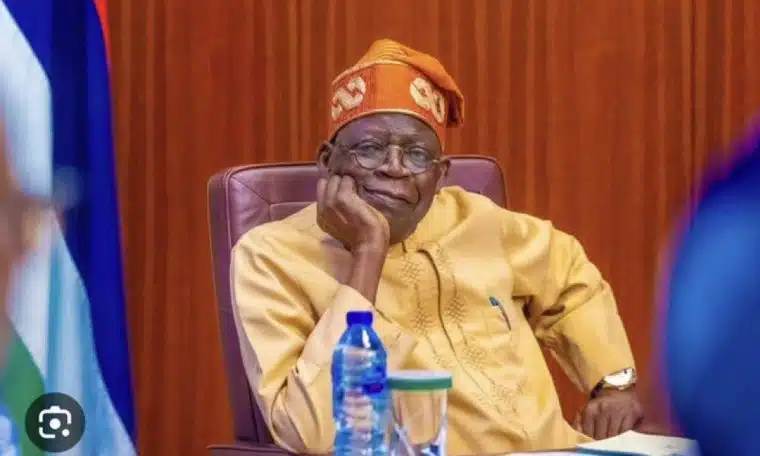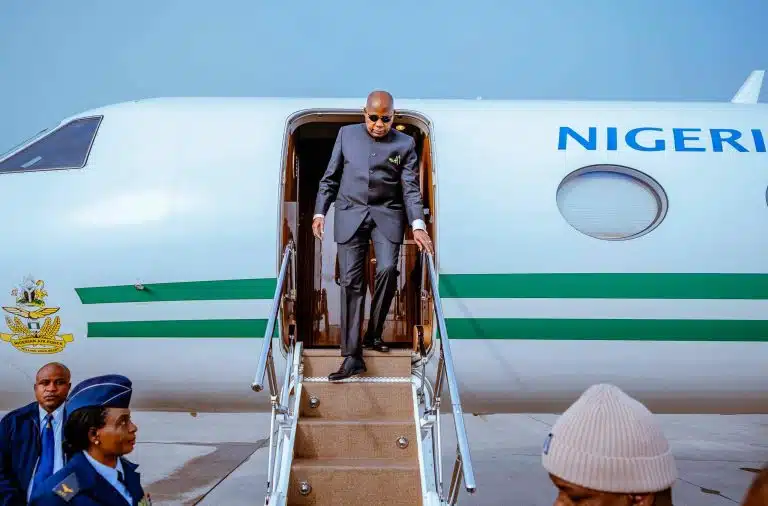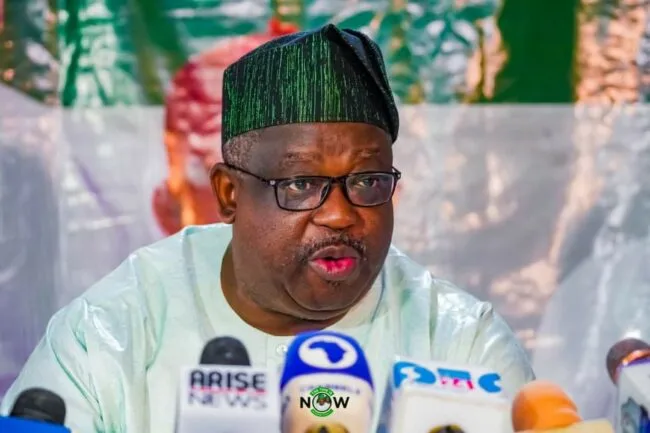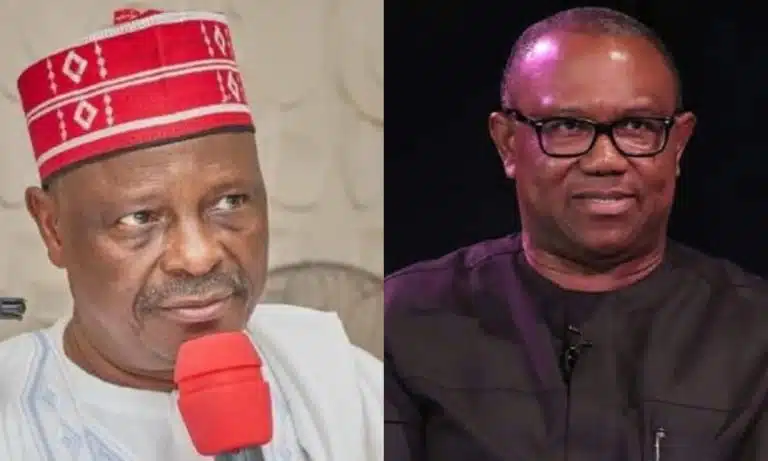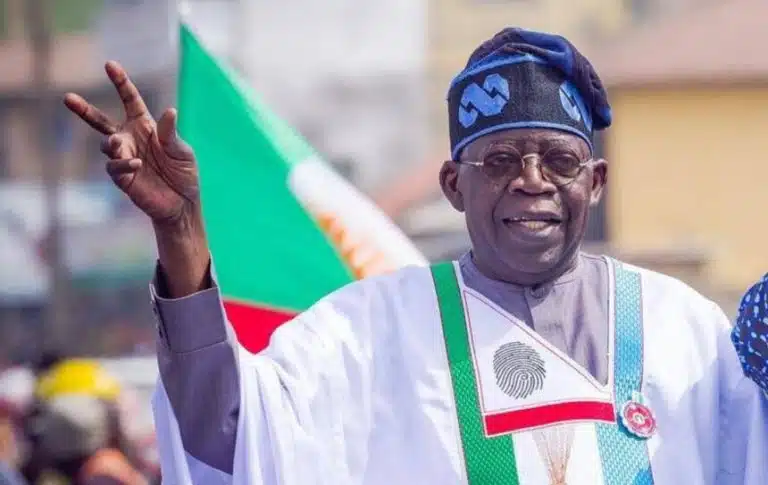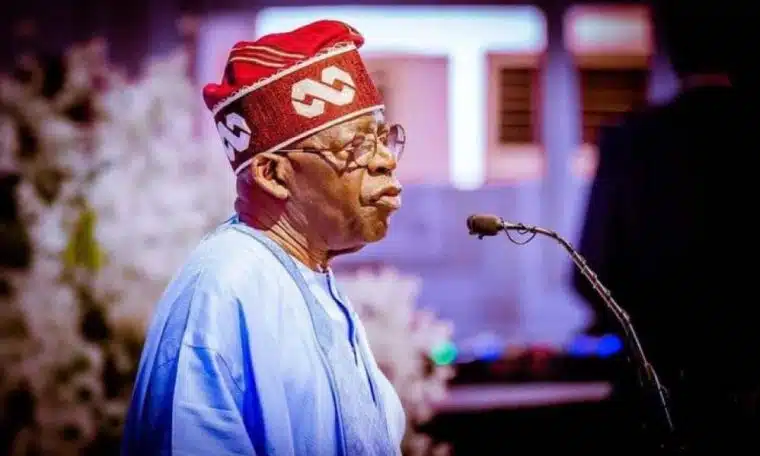
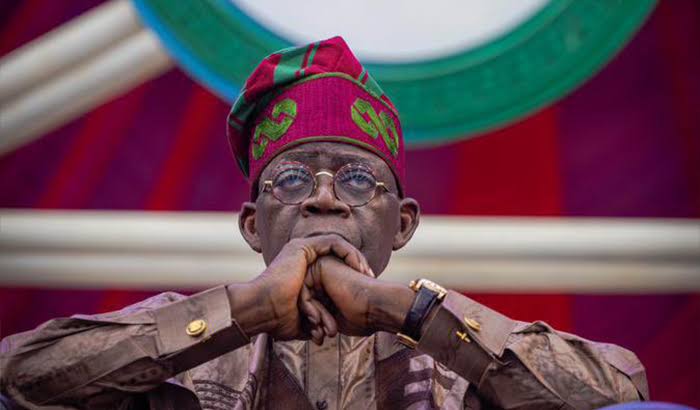
A Senior Advocate of Nigeria (SAN) and member of President Bola Ahmed Tinubu’s legal team in the United States, Wole Afolabi, has said Tinubu would have been indicted, arrested and prosecuted in the US if authorities had evidence linking him to drug trafficking.
Afolabi made the assertion while appearing on Channels Television’s Sunday Politics, where he discussed the legal dispute surrounding records held by the United States Department of Justice, Federal Bureau of Investigation and Drug Enforcement Administration concerning Tinubu and previous investigations.
The lawyer argued that the absence of an indictment against the president was significant, particularly in light of the actions taken by US authorities in other cases involving alleged drug offences.
He cited former Panamanian leader Manuel Noriega and former British Virgin Islands Premier Andrew Fahie, as well as cases involving Venezuelan officials and Nigerians extradited over alleged drug trafficking, to support his argument.
“So the question that should be asked reasonably is this: what’s so special about President Bola Ahmed Tinubu that he would be coming into America and leaving America without being arrested, detained or interviewed for anything?” he asked.
Afolabi also maintained that the principle of presumption of innocence applied to Tinubu and said the available evidence did not establish the allegations being made against the president.
Asked directly whether he was saying Tinubu had never taken drugs, had never been caught with heroin and had never been involved in drug trafficking, Afolabi responded that he was relying on the evidence available.
“What the evidence shows,” he said.
The comments came amid an ongoing Freedom of Information Act lawsuit filed by Aaron Greenspan, who is seeking access to documents concerning Tinubu and past investigations from US government agencies.
According to Afolabi, thousands of pages of records have already been released, while some portions remain redacted because the US government says disclosure could expose law enforcement methods, sources and agents.
He explained that Tinubu’s legal team was challenging the release of the redacted material because US law provides grounds for such legal action, rather than because the team was attempting to suppress incriminating evidence.
“This matter has been going on for quite some time, as you rightly said, and the DEA and other government agencies have produced documents and made available to Mr Greenspan.
“Now Mr Greenspan is asking that documents should be unredacted before they are handed over to him. The way the system works is this: it’s not what you want, it’s what the law stipulates.
“So precisely what we are doing is going under the coverage of the law. It’s what the law gives us the right to do. It would amount to professional malpractice on our part if we don’t take advantage of what the law offers,” he said.
Afolabi further rejected the suggestion that the US government was withholding the documents to shield Tinubu.
He pointed to a recent Department of Justice filing, saying the stated concern was the protection of investigative techniques and the identities of sources and agents.
“In one of the recent filings that was made recently by the Department of Justice, it was stated in the footnote at page 24 that their concern is about the methodology by which information is gathered.
“No mention was made of any protection being offered to President Bola Ahmed Tinubu,” he said.
The discussion also touched on the $460,000 forfeited to US authorities in the 1990s and the civil forfeiture proceedings connected to the funds.
Afolabi argued that the civil nature of the forfeiture did not establish criminal culpability against Tinubu, stressing that a finding of criminal wrongdoing would have resulted in an indictment.
“If he was culpable, he simply would have been indicted. There’s no shortcut around it. He would have been indicted,” he said.
However, the lawyer declined to provide further details about Tinubu’s account of the matter, citing attorney-client confidentiality and the professional obligations attached to his role.
“I’m acting as his lawyer, and as a lawyer, there is what you call attorney-client privilege, and it’s taken very seriously over here. One can lose one’s licence very easily.
“Unfortunately, I can’t divulge any information that my client had disclosed to me confidentially. I’m sorry,” he said.