
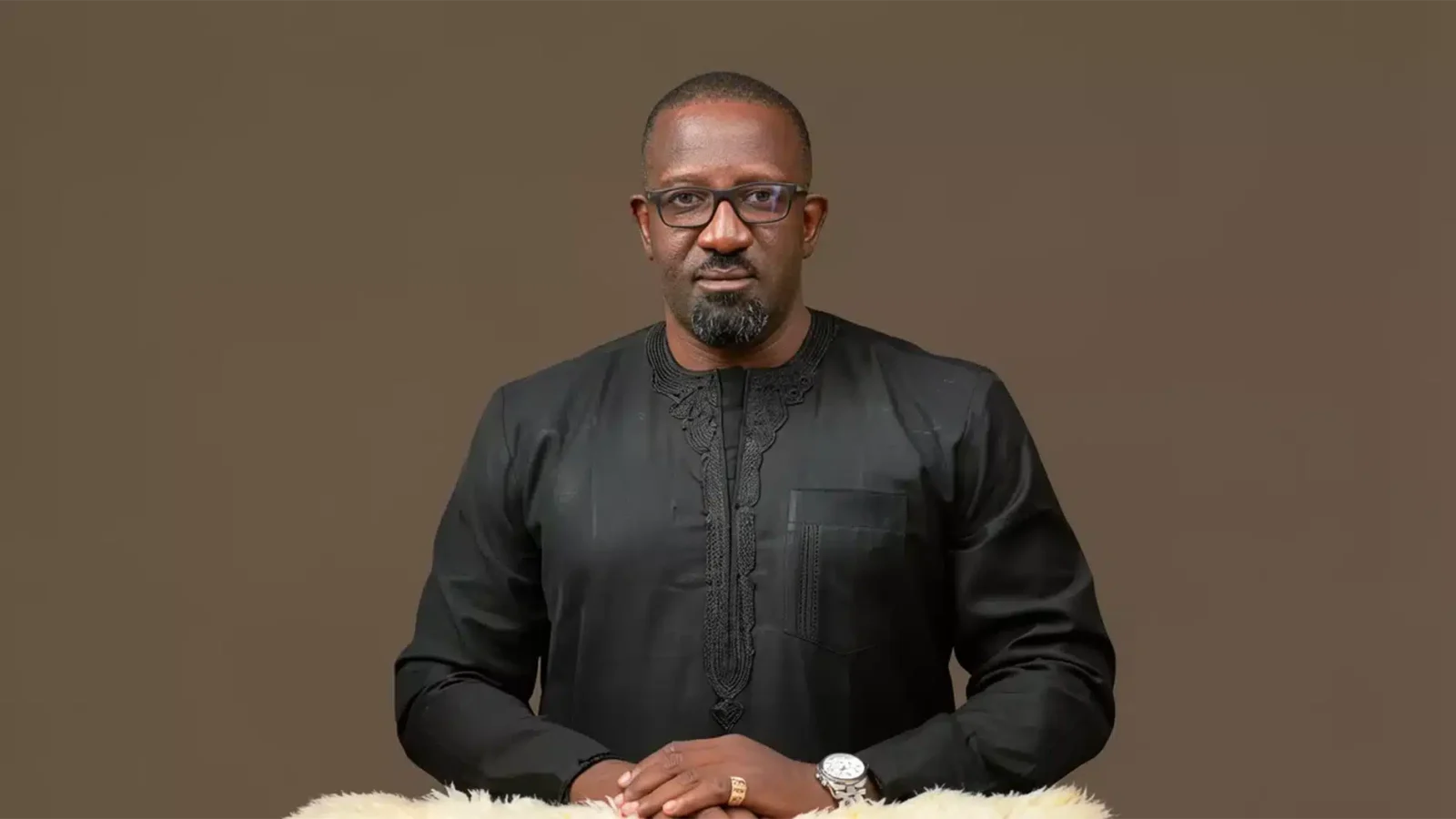
APC Leader Dr Josef Onoh has said Nigerians are not breaking any law by singing the country’s former national anthem, Arise, O Compatriots, amid growing controversy over its use at a political gathering in Lagos.
Onoh described the disagreement surrounding the National Democratic Congress (NDC) town hall meeting as unnecessary, arguing that the government did not criminalise the singing of the former anthem when it reinstated Nigeria, We Hail Thee in 2024.
Speaking during a television appearance on Monday, the APC chieftain said the decision to restore Nigeria’s original national anthem did not introduce any punishment for Nigerians who refuse to sing it or choose to sing the former version.
According to him, both anthems represent important aspects of Nigeria’s history and reflect citizens’ loyalty and commitment to the country.
Onoh Explains What the National Anthem Law Says
The APC leader also questioned whether the law specifically requires the new national anthem to be sung at private political gatherings.
He referred to Section 3 of the National Anthem Act, which outlines official occasions, including government functions, legislative sittings and certain political gatherings, where the national anthem is expected to be performed.
Onoh argued that private political town hall meetings are not explicitly mentioned in the provisions, suggesting that the absence of a clear reference creates room for different interpretations.
He further cited Section 24(a) of the 1999 Constitution, which addresses citizens’ civic responsibilities, including respect for national symbols.
However, he maintained that the constitutional provision does not prescribe a specific punishment for Nigerians who fail to sing the national anthem.
His position comes amid renewed debate over the interpretation and enforcement of Nigeria’s national anthem legislation.
How Peter Obi and NDC Sparked the National Anthem Controversy
The controversy followed an NDC town hall meeting held in Lagos last week, attended by former Labour Party presidential candidate Peter Obi and the party’s governorship candidate, Funso Doherty.
During the gathering, attendees sang Arise, O Compatriots, the anthem Nigeria used between 1978 and 2024, instead of the reinstated Nigeria, We Hail Thee.
The development attracted criticism from some political figures, who questioned why the former anthem was performed at the gathering.
Minister of the Federal Capital Territory, Nyesom Wike, accused Obi of showing disrespect to Nigeria’s national symbols.
Similarly, Minister of Aviation and Aerospace Development, Festus Keyamo, linked the incident to alleged secessionist tendencies, further escalating the political debate.
However, some NDC members defended the gathering, explaining that the old anthem was sung spontaneously and that there was no deliberate attempt to reject the country’s officially recognised national anthem.
Nigeria’s National Anthem: From 1960 to 2024
Nigeria adopted Nigeria, We Hail Thee as its first national anthem when the country gained independence from British colonial rule in 1960.
The anthem remained in use until 1978, when the military government replaced it with Arise, O Compatriots.
The latter became one of Nigeria’s most recognisable national symbols and remained the country’s official anthem for 46 years.
However, in May 2024, President Bola Ahmed Tinubu signed legislation restoring Nigeria, We Hail Thee as the national anthem.
The decision brought back the anthem originally used at independence and ended the official use of Arise, O Compatriots.
Despite the change, Onoh’s comments have brought renewed attention to the distinction between the official status of the national anthem and the legality of singing its former version.
The debate has also raised questions about the interpretation of the National Anthem Act, citizens’ civic responsibilities and the use of national symbols at private political events.