
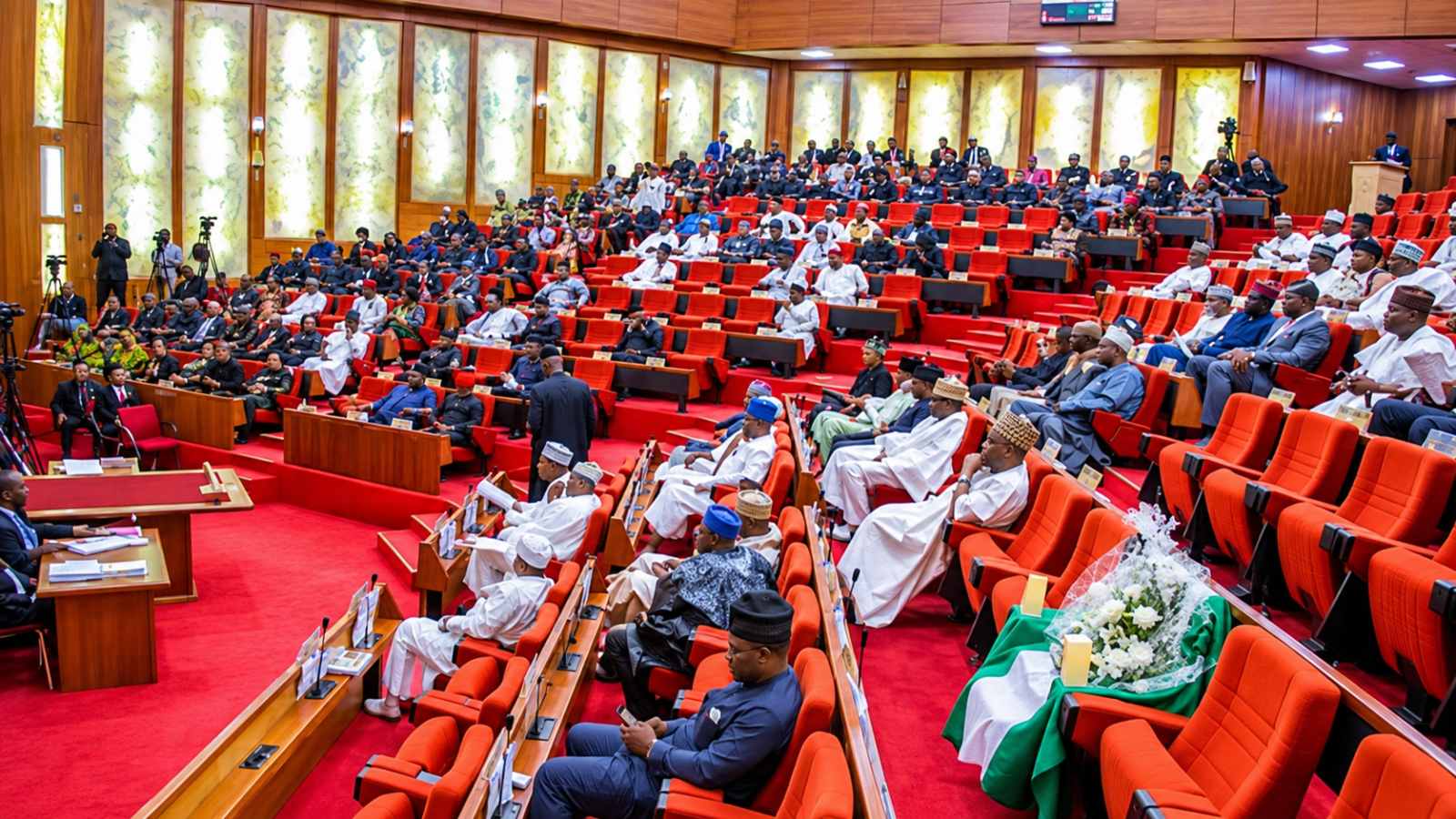
Nigeria’s Senate Committee on Gas Resources has raised concerns over the inadequate supply of Liquefied Petroleum Gas (LPG), popularly known as cooking gas, to the domestic market, warning that the shortage could frustrate efforts to reduce prices for Nigerian households.
Naija News reports that the lawmakers expressed concern that insufficient domestic supply could continue to put pressure on cooking gas prices, increasing the financial burden on millions of Nigerians.
The Chairman of the Senate Committee on Gas Resources, Senator Jarigbe Jarigbe, representing Cross River North, raised the concerns during a meeting with stakeholders in the gas sector.
The meeting focused on export remittances and the availability of Liquefied Petroleum Gas in the domestic market.
Jarigbe said the current situation was inconsistent with the objectives of Executive Order 9, signed by President Bola Ahmed Tinubu on February 13, 2026.
According to the senator, the executive order was designed to guarantee adequate domestic gas supply, improve revenue remittances and ensure that Nigerians benefit from more affordable cooking gas.
He stressed that sufficient LPG must be made available locally to reduce the cost of cooking gas and ease the economic hardship faced by households.
The senator also assured Nigerians that the committee would continue engaging major stakeholders in the industry to address the supply challenges and ensure that the domestic market receives adequate quantities of LPG.
Among the organisations involved in the discussions are Chevron, the Nigerian Upstream Petroleum Regulatory Commission (NUPRC) and the Nigerian National Petroleum Company Limited (NNPCL).
Speaking at the meeting, the NUPRC representative, Enorense Amadasu, explained that the offshore facility was initially developed to export gas for both the Nigerian side and Chevron under their joint venture arrangement.
However, he identified inadequate infrastructure and logistical challenges as some of the major obstacles preventing offshore LPG from reaching the Nigerian domestic market.
The Senate committee is expected to continue its engagement with industry stakeholders next Tuesday as it works towards resolving the supply challenges.
The lawmakers are particularly interested in closing the domestic supply gap, improving export revenue remittances and ensuring that more cooking gas becomes available to Nigerians at affordable prices.
The outcome of the ongoing discussions could play an important role in determining the availability and affordability of cooking gas in the country.