
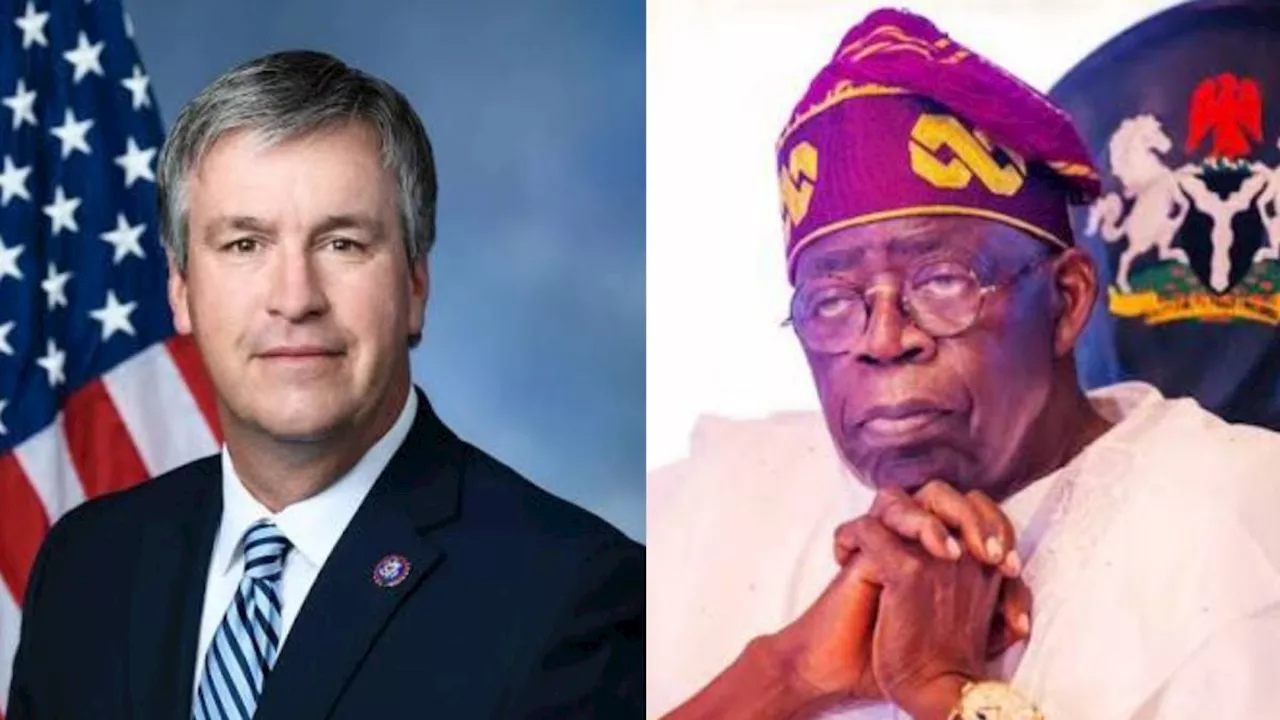
A United States Congressman, Barry Moore, has introduced a bill seeking to prohibit paid lobbying on behalf of the Nigerian government in the United States while Nigeria remains designated as a Country of Particular Concern (CPC).
The proposed legislation, identified as H.R. 10939, seeks to prevent lobbying firms and individuals in the US from receiving payments to represent the Nigerian government’s interests until the country’s CPC designation is lifted.
Naija News reports that the bill comes amid growing concerns among some members of the US Congress over allegations of Christian persecution and killings in Nigeria.
According to the proposed legislation, lobbying firms that accept payments to advocate on behalf of the Nigerian government while the CPC designation remains in effect could face sanctions.
Barry Moore Accuses Nigerian Government of Spending Millions on Lobbyists
Moore alleged that the Nigerian government has spent millions of dollars employing lobbying firms in Washington to influence perceptions of the country’s record on religious persecution.
The lawmaker claimed that the money was being used to counter criticism over the killings of Christians in Nigeria rather than adequately addressing the attacks.
“For too long, the Nigerian government has paid high-priced lobbyists in Washington to cover up the persecution of Christians while doing little to stop it. This bill will end that,” Moore said.
He added that the proposed legislation would make it illegal for individuals or firms in the United States to receive payments for lobbying on behalf of the Nigerian government until Nigeria’s Country of Particular Concern designation is lifted.
The allegations form part of broader debates in Washington over religious freedom, security challenges and the Nigerian government’s response to violence affecting communities across the country.
Bill Referred to US House Committee on Foreign Affairs
The proposed legislation has been referred to the US House Committee on Foreign Affairs for further legislative consideration.
The referral marks a step in the legislative process, but the bill would need to advance through the required stages before it could become law.
If enacted, the proposal could significantly affect the Nigerian government’s ability to engage paid lobbying firms in Washington while the CPC designation remains in place.
The bill specifically targets compensated lobbying conducted on behalf of the Nigerian government. Its proposed restrictions would remain in effect until the designation is lifted.
What the Proposed Bill Means for Nigeria
The legislation could intensify diplomatic scrutiny of Nigeria’s engagement with policymakers in the United States, particularly on issues involving religious freedom and the country’s security situation.
Paid lobbying is commonly used by governments and other organisations to communicate their positions to foreign policymakers. Moore’s proposal seeks to restrict that avenue for the Nigerian government under the conditions outlined in the bill.
However, the proposal is not yet law. Its eventual impact will depend on the outcome of the legislative process and whether it receives the necessary approval.
The development adds to ongoing discussions in the United States about Nigeria’s handling of religious persecution allegations and the steps required to address concerns raised by American lawmakers.