
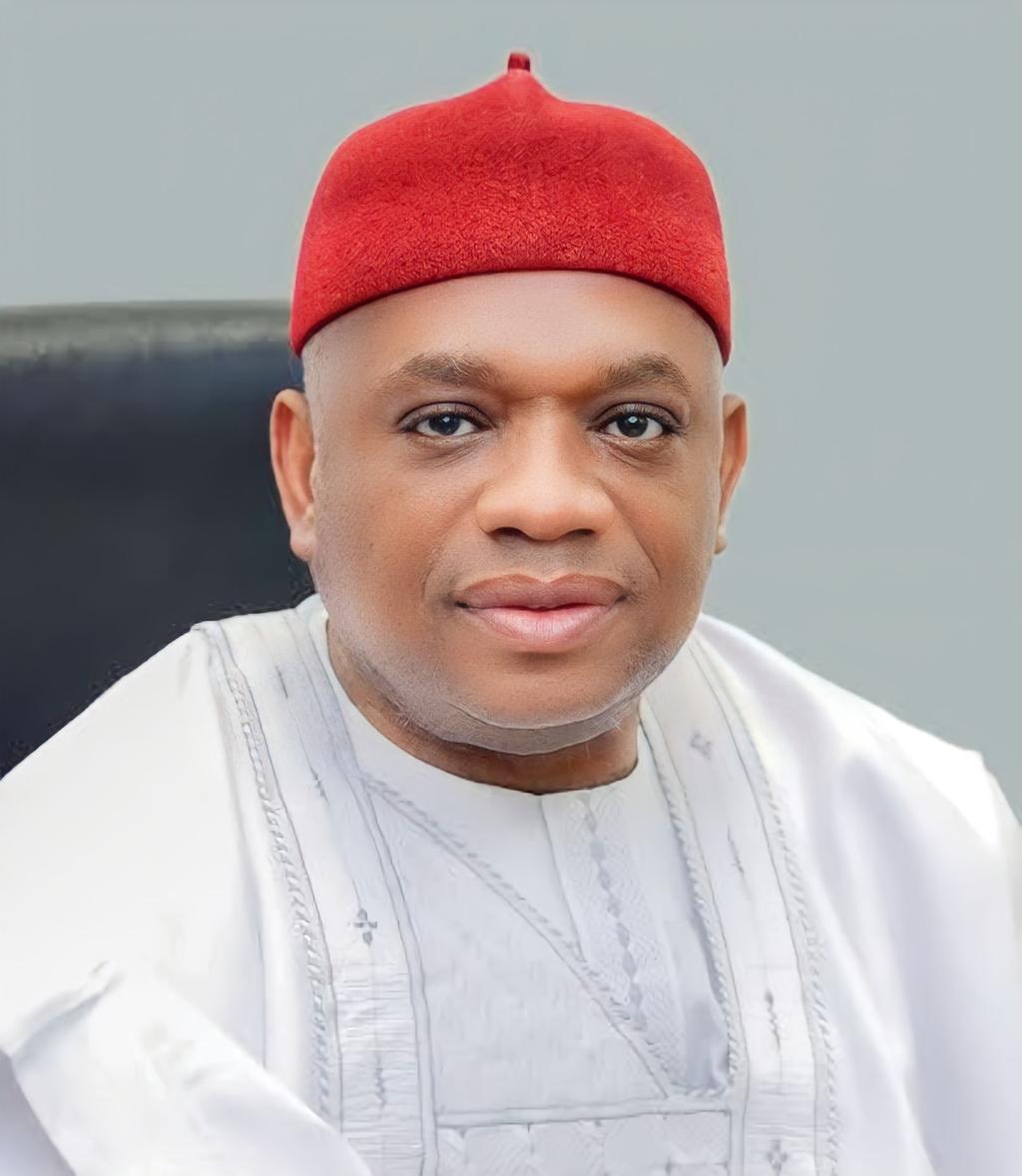
Senator representing Abia North, Orji Kalu, has rejected calls for him to support Peter Obi or other Igbo politicians seeking political offices in the 2027 general elections, insisting that his loyalty remains with the All Progressives Congress (APC).
Kalu made his position known during an appearance on Arise Television’s Prime Time programme on Monday, where he dismissed suggestions that he should support presidential aspirants contesting under political parties other than the APC.
According to the former Abia State governor, he has no reason to campaign for or support candidates who do not belong to his political party.
He maintained that the APC remains the political platform through which he intends to pursue the interests of the South-East, adding that political aspirations outside the ruling party are not his responsibility.
Speaking during the interview, Kalu described calls for him to support candidates contesting under other political parties as unreasonable.
He said: “I’m not in the political party where they are contesting. Why should they call my name? I mean, they shouldn’t. Why should they call? No, they are just being idiotic.
“I was in PDP, I was in PPA, and my third political party is APC. So if I’m in this practice and you want me to go and support somebody in APGA, you must be sick in your mind. You must be dreaming.
“I am a member of APC, pure and direct. Yeah, leave me there. I don’t have any interest. If Igbos have interest, [and] they don’t want to pursue [it in] APC; that is their business. There’s no other place the interest will be pursued except where I am.”
Kalu’s comments come amid political discussions and positioning ahead of the 2027 general elections, particularly regarding the participation of South-East politicians and the political parties through which regional interests should be pursued.
By reaffirming his commitment to the APC, the senator has made clear that he does not consider supporting candidates from other political parties part of his political responsibility.
His remarks also highlight the differing political positions among South-East political figures as preparations and conversations surrounding the 2027 elections continue.