
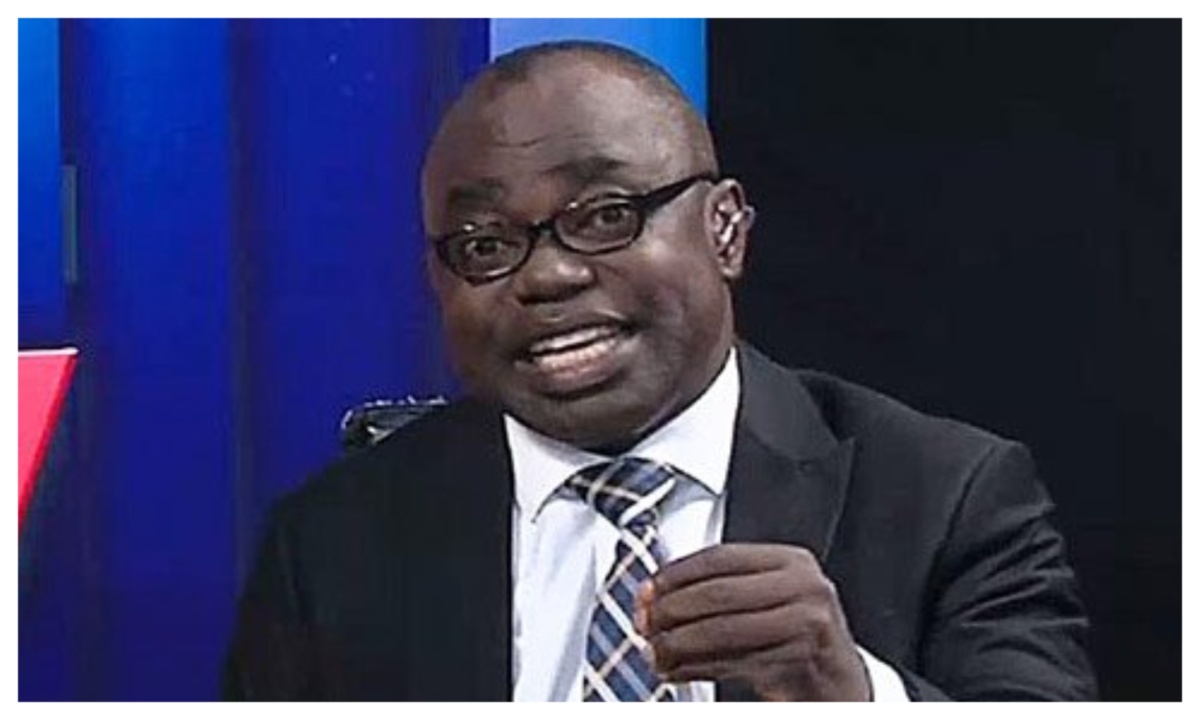
Lawyer and public affairs analyst, Frank Tietie, has raised concerns over the discovery of artificial intelligence-generated images in Nigeria’s voters’ register, describing the development as a potential national security issue and calling on the Independent National Electoral Commission (INEC) to take immediate steps to restore public confidence.
Tietie expressed concern over INEC’s explanation that compromised officials were allegedly responsible for generating the images and information found in the voters’ register.
Speaking during an appearance on Arise News, the lawyer questioned how such a development could occur within an institution responsible for protecting the credibility and integrity of Nigeria’s electoral process.
He said the commission’s explanation raised serious concerns about its internal processes and ability to safeguard electoral records.
“The only explanation INEC can give is that its compromised officers were responsible for generating those pictures and that information. That is a big problem,” Tietie said.
Tietie Questions Integrity of INEC Voters’ Register
The public affairs analyst said the controversy raised important questions about the integrity of the voters’ register and the possibility of manipulating electoral figures through fictitious information.
According to him, the alleged presence of AI-generated images in voter records could undermine confidence in the electoral process, particularly if the technology was used to create fictitious identities or voter information.
Tietie acknowledged that INEC had fulfilled the requirement to display the voters’ register for public scrutiny. However, he maintained that the commission must go beyond publishing the register by explaining the circumstances surrounding the discovery and outlining measures to address the concerns.
He argued that Nigerians deserved a comprehensive explanation of what happened, how the questionable images and information entered the register, and what the commission intended to do to prevent a recurrence.
INEC Urged to Convene Stakeholders’ Meeting
Tietie said he expected INEC to consider convening a stakeholders’ meeting involving political parties to address the controversy and provide clarity on the issues raised.
He stressed that such a meeting would give the electoral commission an opportunity to explain the situation, respond to concerns and demonstrate its commitment to transparency and accountability.
“I look forward to what INEC will do next, whether it will convene a stakeholders’ meeting involving all the political parties and sufficiently explain what happened,” he stated.
The lawyer’s call comes amid concerns about the reliability of the voters’ register and the potential implications of questionable records for the credibility of future elections.
Concerns Over Possible Inflation of Voter Figures
Explaining the importance of displaying the voters’ register, Tietie said the exercise was intended to allow citizens to examine their personal information, identify discrepancies and request corrections before elections.
However, he expressed concern that artificial intelligence could allegedly have been used to generate images and names for fictitious voter cards, potentially creating opportunities to inflate voter figures.
He warned that such a possibility could deepen public suspicion about the electoral process, particularly if the commission failed to provide satisfactory answers.
According to Tietie, the controversy had already triggered concerns among some Nigerians that the integrity of the electoral process might have been compromised before elections were conducted.
While raising these concerns, he called for a clear explanation of the circumstances surrounding the images and information in question.
Tietie Warns INEC Over Public Confidence
Tietie warned that INEC must act promptly to address the controversy and prevent further damage to its credibility.
He argued that the commission’s response would be crucial to reassuring Nigerians that the voters’ register remained reliable and that appropriate safeguards were in place to protect electoral records.
“INEC must immediately redeem its integrity, or else it is leading the country towards its own form of anarchy. It must not be responsible for failing Nigerians,” he said.
The lawyer also maintained that INEC had received the financial resources required to discharge its responsibilities during previous election cycles and should therefore be held accountable for any shortcomings in the management of the electoral process.
He insisted that the commission had a responsibility to protect the credibility of the voters’ register and demonstrate that public resources allocated to electoral administration were being used effectively.
INEC Faces Calls for Transparency and Accountability
Tietie urged the electoral commission to address the allegations, clarify how the AI-generated images came to appear in the voters’ register and explain the steps being taken to prevent similar incidents.
He maintained that restoring public confidence would require more than general assurances, arguing that the commission must demonstrate transparency through concrete actions.
The controversy highlights broader concerns about the use of artificial intelligence in electoral administration, particularly the potential for synthetic images and fabricated information to complicate the verification of voter records.
For INEC, providing a credible explanation and demonstrating the effectiveness of its safeguards will be essential to addressing public concerns and protecting confidence in Nigeria’s electoral system.
However, the allegations and concerns surrounding the images must be distinguished from established findings about their origin, the identities involved and any potential effect on the voters’ register.
As calls for accountability grow, attention is expected to remain on how the electoral commission responds to the controversy and the measures it takes to reassure Nigerians about the integrity of the electoral process.