
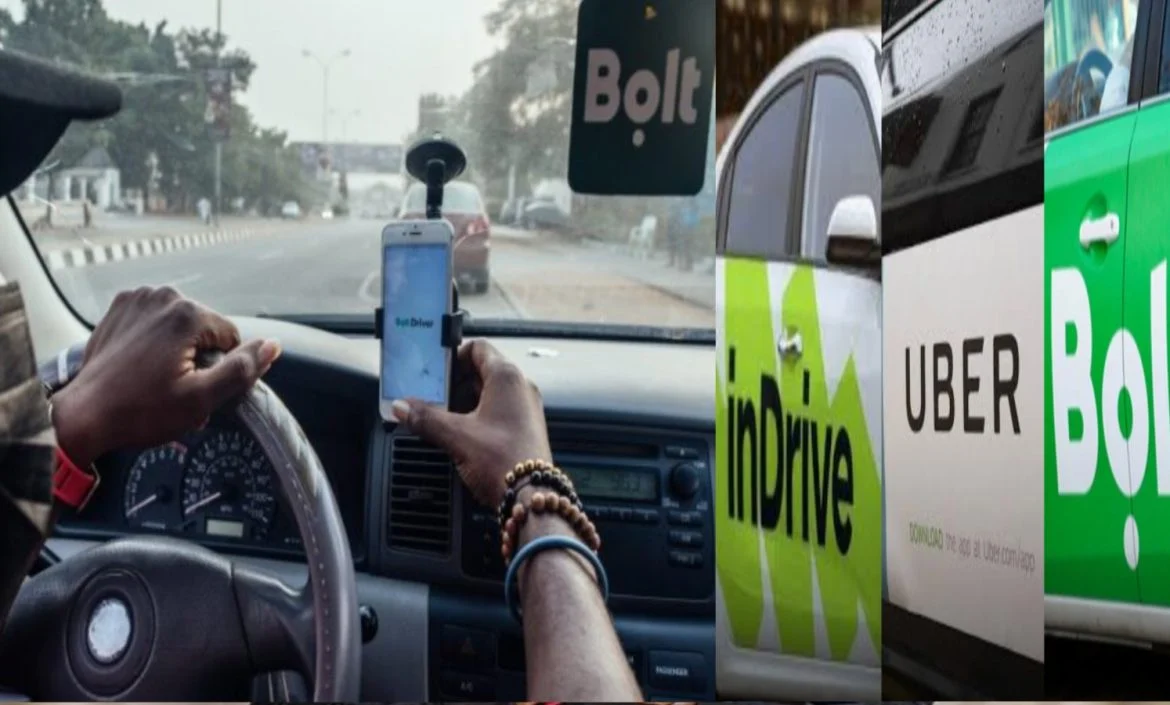
E-hailing drivers in Lagos State have commenced an indefinite strike over disputes surrounding fare structures, platform commissions, deductions and welfare conditions in Nigeria’s app-based transport industry.
The industrial action was announced by the Amalgamated Union of App-Based Transporters of Nigeria (AUATON), which directed its members to suspend operations until further notice or until satisfactory progress is made towards resolving their grievances.
The union said the decision followed persistent complaints about drivers’ earnings, operational policies, safety, security and working conditions, adding that several concerns raised by drivers and other stakeholders remained unresolved despite repeated efforts to address them.
“Despite repeated efforts by drivers and stakeholders to draw attention to these concerns, many of the issues remain unresolved,” the union said in its strike notice.
Lagos Commuters Face Possible Transport Disruptions
The strike is expected to affect commuters who depend on ride-hailing services for their daily movements across Lagos, particularly workers, business owners and residents who use app-based transport to navigate the state’s busy roads.
Although the full extent of the disruption remains unclear, passengers could experience longer waiting times and greater difficulty securing rides, depending on the level of participation among drivers operating across different platforms.
The action also raises concerns for commuters who rely on ride-hailing services for convenience, business appointments and journeys to locations that may be difficult to access through other transport options.
AUATON said suspending operations was intended to draw attention to conditions it believes continue to undermine drivers’ earnings and the long-term sustainability of their work.
Drivers Protest Fares, Commissions and Other Deductions
At the centre of the dispute are concerns about how fares are determined, the commissions deducted from completed trips, additional charges imposed on drivers and the financial obligations associated with vehicles provided through fleet owners and managers.
These issues can significantly affect drivers’ take-home earnings, particularly when operating costs and vehicle-related payments are considered.
Drivers working with vehicles owned or managed by fleet partners may also face daily remittance obligations, which can become difficult to meet when earnings fluctuate or drivers are unable to operate.
AUATON’s demands therefore extend beyond fare and commission arrangements to include the financial pressures and welfare concerns affecting members of the app-based transport industry.
AUATON Appeals to Fleet Owners Over Daily Remittances
As part of its response to the dispute, AUATON called on fleet owners and managers to suspend daily remittance obligations and related operational targets throughout the strike.
The union argued that drivers should not be expected to generate their usual revenue while complying with the directive to withdraw their services.
It also urged fleet partners to refrain from imposing penalties, sanctions or other adverse measures against members participating in the industrial action.
“We, therefore, appeal to fleet partners to refrain from imposing penalties, sanctions or adverse measures solely on the basis of a driver’s participation in the action, as drivers are not expected to operate during this period,” the strike notice stated.
The appeal places fleet owners and managers at the centre of the dispute, as their response could influence drivers’ financial exposure and the relationship between drivers and the businesses that provide vehicles for commercial transport.
For affected drivers, the suspension of remittance requirements could offer temporary relief from payment obligations while negotiations over the grievances continue.
Union Plans Monitoring Exercise Across Lagos
AUATON also announced plans to deploy its task force across all local government areas in Lagos State to monitor compliance with the strike directive.
The union warned that drivers who continued operating in violation of its instructions could face disciplinary measures under its internal procedures.
The planned exercise signals the union’s intention to enforce the shutdown among its members across the state.
However, the overall level of compliance remains uncertain, particularly among drivers operating independently or outside the union’s structure.
The extent to which drivers comply with the directive could determine how significantly the strike affects the availability of ride-hailing services across Lagos.
Bolt, inDrive Drivers Among Those Affected
Drivers operating on Bolt and inDrive platforms were among those affected by the planned shutdown, according to reports on the dispute.
Bolt reportedly proposed a meeting with AUATON and driver representatives to discuss the grievances raised by the union.
However, a response from inDrive had not been reported at the time of publication.
The outcome of any proposed engagement could prove important in determining whether the parties can reach an agreement and restore normal operations.
Discussions are expected to focus on the concerns raised by drivers, including fare-setting arrangements, platform deductions and the broader conditions under which they provide services.
Any resolution would also need to address the concerns of drivers working under fleet arrangements, whose financial obligations may continue even when they are unable to earn from trips.
Strike Follows Uber’s Exit From Nigeria
The industrial action comes after Uber’s withdrawal from the Nigerian market in September 2026, a development that altered the competitive landscape for ride-hailing services in the country.
The exit marked a significant development for Nigeria’s app-based transport sector, where drivers and passengers rely on digital platforms to connect for commercial journeys.
With the latest dispute affecting drivers operating on Bolt and inDrive, the strike could place additional pressure on the availability of app-based transport services in Lagos.
However, the extent of the impact will depend on driver participation, the response of the affected platforms and the progress of discussions between AUATON and other stakeholders.
AUATON Seeks Lasting Improvements in Drivers’ Welfare
Despite the potential disruption to commuters and businesses, AUATON maintained that its objective was not to cause unnecessary inconvenience to passengers or commercial activities.
Instead, the union said it wanted drivers’ concerns addressed through discussions capable of producing lasting improvements in their working conditions.
The strike notice was signed by AUATON Lagos State Chairman, Jaiyesimi Olalabi Azeez, popularly known as Makavelli, who also appealed to fleet partners to cooperate with drivers throughout the industrial action.
For now, the duration of the strike will depend on developments in discussions surrounding the union’s demands and whether satisfactory progress can be achieved.
Until further notice, commuters who depend on ride-hailing services in Lagos may need to prepare for possible disruptions, while drivers, fleet partners and platform operators await further developments in the dispute.