
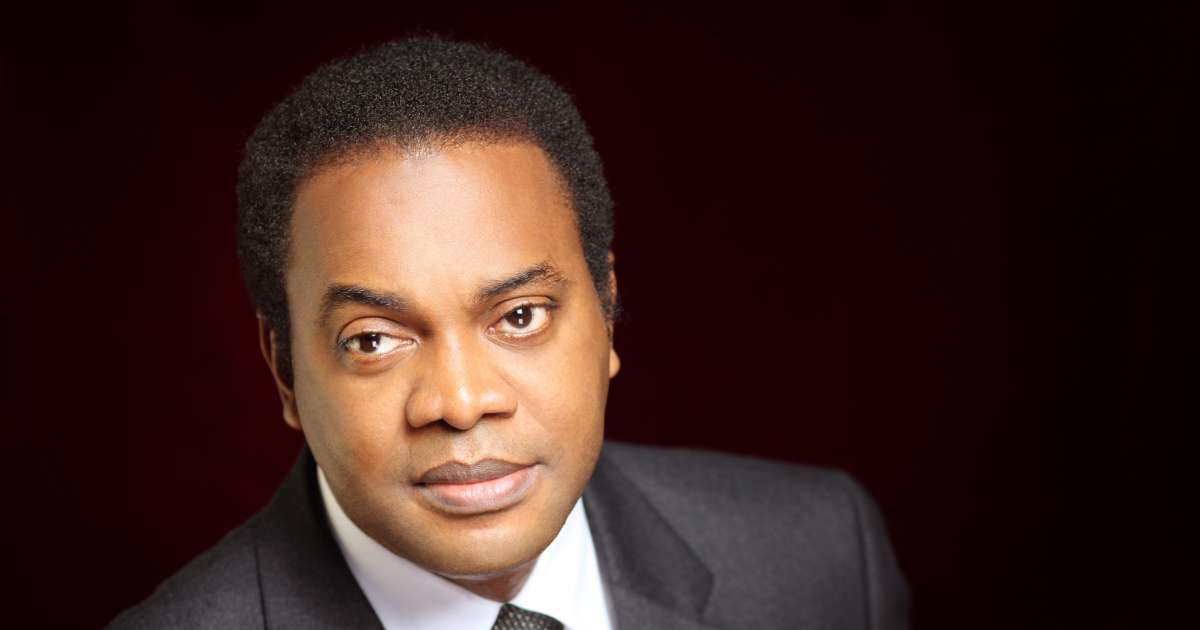
Bayelsa State Governor Douye Diri has faulted former Cross River State Governor Donald Duke over his criticism of the Lagos-Calabar Coastal Highway, insisting that the project is feasible despite the swampy terrain of the Niger Delta.
Diri said existing and ongoing road and bridge projects in Bayelsa State demonstrate that major infrastructure can be constructed across wetlands, forests and difficult riverine landscapes.
Duke had reportedly described the proposed coastal highway as unbuildable through Bayelsa because of the state’s swampy environment. He argued that constructing the road across the area would require hundreds of bridges to connect communities along the route.
However, Diri expressed disappointment that a former governor from the South-South region would question the feasibility of a project he considers crucial to the development of coastal communities in the Niger Delta.
In a statement issued by his Chief Press Secretary, Daniel Alabrah, the Bayelsa governor said he had watched a trending video of Duke making the remarks during a television programme.
“I have seen the trending video clip of the former Governor of Cross River State, His Excellency Donald Duke, on a Television programme. To say the least, I feel disappointed that former Governor Duke, who is from our region, made such a comment,” Diri said.
Diri Cites Bayelsa Road and Bridge Projects
To support his position, Diri pointed to several road and bridge projects in Bayelsa, arguing that the state’s challenging terrain does not make large-scale infrastructure development impossible.
Among the projects he cited were the Nembe-Brass Road, the Sagbama-Ekeremor-Agge Road and the Yenagoa-Oporoma Road, which traverse areas characterised by swamps, waterways and other difficult geographical conditions.
The governor also referenced the 630-metre bridge across the River Nun at Angiama in Southern Ijaw Local Government Area as an example of engineering infrastructure delivered in the state’s riverine environment.
He further highlighted the dualised roads in New Yenagoa City and the Glory Drive phases, saying the projects demonstrate the possibility of constructing roads through forests and wetlands.
According to Diri, these developments undermine the argument that the Niger Delta’s geography makes the proposed coastal highway impracticable.
Governor Questions Political Motives Behind Criticism
Diri suggested that political considerations might have influenced Duke’s criticism, maintaining that the importance of the Lagos-Calabar Coastal Highway to the South-South region should take precedence over partisan disagreements.
He warned politicians against allowing political differences to overshadow infrastructure projects capable of improving transportation, connectivity and economic opportunities for residents of coastal communities.
The Bayelsa governor argued that ordinary citizens often bear the consequences when political disputes take priority over development initiatives.
He maintained that projects of regional significance should be assessed on their potential benefits and the availability of appropriate engineering solutions rather than dismissed solely because of the geographical challenges involved.
Diri Links Coastal Highway to Ijaw Development
Diri also stressed the historical importance of the Lagos-Calabar Coastal Highway to the Ijaw people and other riverine communities that have faced longstanding transportation and connectivity challenges.
He said the Ijaw National Congress had advocated the construction of the coastal highway for decades and had repeatedly presented the demand to successive federal administrations.
According to the governor, the proposed road represents an important opportunity to improve access to communities across the coastal belt and support economic development in the Niger Delta.
Diri also linked his support for the highway to his decision to join the All Progressives Congress (APC), stating that the interests of his people remained a priority.
His position reflects the broader development concerns of communities that have long called for improved transport infrastructure to connect settlements separated by rivers, wetlands and difficult terrain.
Lagos-Calabar Coastal Highway and Engineering Challenges
The Lagos-Calabar Coastal Highway is a Federal Government infrastructure project designed to connect coastal communities across nine states: Lagos, Ogun, Ondo, Edo, Delta, Bayelsa, Rivers, Akwa Ibom and Cross River.
The proposed route is expected to improve connectivity along Nigeria’s coastline and create opportunities for commerce, investment and regional development.
However, constructing a highway through the Niger Delta presents significant engineering considerations because of its wetlands, waterways, swampy soils and environmentally sensitive areas.
Delivering the project across these landscapes would require appropriate engineering designs and construction methods tailored to the region’s geological and environmental conditions.
While Diri maintains that the highway can be constructed through Bayelsa’s swampy terrain, the project’s feasibility and long-term sustainability will depend on detailed engineering assessments, suitable construction techniques and effective environmental management.
The disagreement between Diri and Duke has brought renewed attention to the technical and political debates surrounding the proposed coastal road, particularly its potential impact on the Niger Delta.
For Diri, the priority is ensuring that the region benefits from major federal infrastructure investments, while the debate over construction challenges highlights the importance of addressing the environmental and engineering realities of the coastal corridor.