
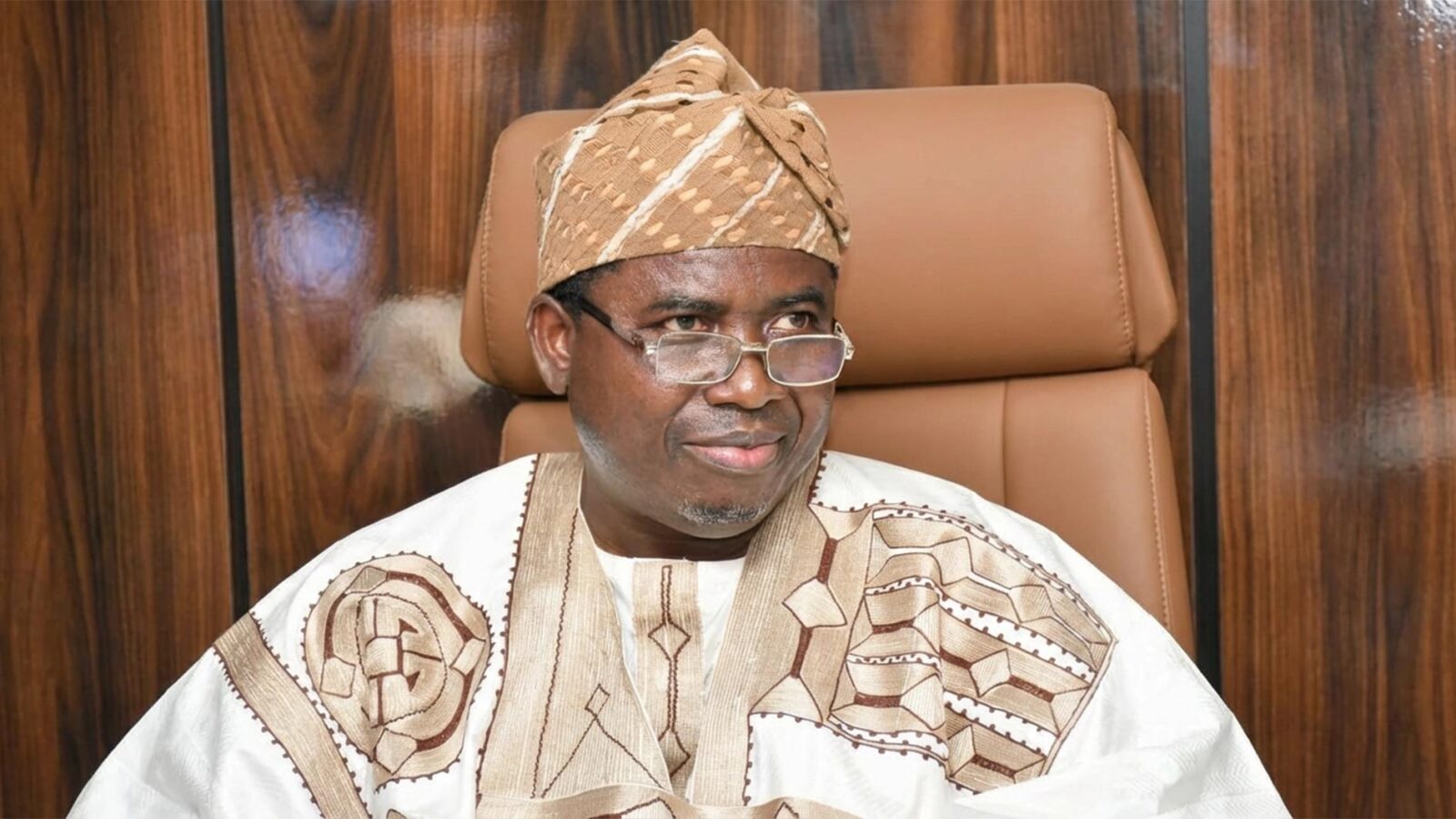
Policy strategist Baba Yusuf has criticised the Chairman of the Independent National Electoral Commission (INEC), Professor Joash Amupitan, accusing him of failing to adequately address concerns surrounding his appointment by President Bola Tinubu.
Yusuf expressed his disappointment during an appearance on Arise News, arguing that Amupitan should have done more to reassure Nigerians about his independence, impartiality and ability to lead the electoral commission.
According to the policy strategist, Amupitan’s professional background as a Professor of Law and Senior Advocate of Nigeria (SAN) should have positioned him to understand the importance of addressing public concerns and rebuilding confidence in his leadership.
He maintained that the controversy surrounding the INEC chairman’s appointment reflected a broader problem with Nigeria’s electoral appointment system, which successive administrations have failed to reform.
Yusuf noted that administrations from former President Olusegun Obasanjo to the current government of President Bola Tinubu had not adequately addressed concerns about the President’s influence over the appointment of the INEC chairman.
He argued that the existing arrangement continued to raise questions about the independence and neutrality of the electoral body.
Baba Yusuf Questions Amupitan’s Leadership and Impartiality
Yusuf said he expected Amupitan to demonstrate greater responsibility and take deliberate steps to reassure Nigerians about his impartiality, particularly amid criticisms and allegations raised by some northern political, social and religious groups.
He also questioned developments surrounding Amupitan’s emergence, including activities linked to his X (formerly Twitter) account and the presence of individuals associated with the ruling All Progressives Congress (APC) around him.
The policy strategist further raised concerns about reports of alleged hacking of INEC’s server and other controversies that emerged ahead of the elections.
Although he acknowledged that Amupitan performed reasonably well during the recent off-cycle elections conducted under his leadership, Yusuf insisted that the challenges facing INEC at the national level required more decisive attention.
INEC Must Prioritise Accountability, Restore Public Trust – Yusuf
Yusuf also criticised Amupitan’s engagement with issues surrounding Chatham House, arguing that the INEC chairman should concentrate more on addressing the commission’s operational challenges and restoring public confidence.
He said reports of artificial intelligence-related issues involving the commission’s servers had further heightened concerns about INEC’s credibility.
According to him, Nigerians expected concrete action, accountability and responsibility from the commission’s leadership rather than explanations and public statements.
“I expected a house cleaning. I expected heads to roll. I expected responsibility to be held and accountability to show us that this man that everybody is wary of is a man that people should be comfortable with,” Yusuf said.
He insisted that Amupitan needed to demonstrate a stronger commitment to institutional reforms and accountability if he wanted Nigerians to trust his leadership.
“As far as I’m concerned, the rhetoric and the narration by Prof. Amupitan should do better than that,” he stated.
Amupitan Described as One of Nigeria’s Most Unpopular INEC Chairmen
The policy strategist went further to describe Amupitan as arguably the most unpopular INEC chairman in the history of Nigeria’s Fourth Republic, despite not having conducted a general election.
Yusuf warned that widespread concerns about the person heading the electoral commission could weaken public confidence in the institution ahead of future elections.
He stressed that the credibility of Nigeria’s electoral process depends not only on the conduct of elections but also on the public’s perception of the independence, neutrality and accountability of the body responsible for organising them.
His comments have brought renewed attention to questions surrounding INEC’s institutional independence, the process of appointing its chairman and the need to strengthen public trust in Nigeria’s electoral system.