
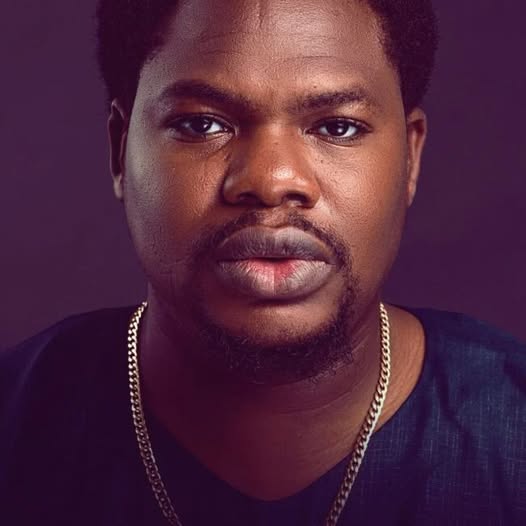
Nigerian actor and social commentator Adebowale Adedayo, popularly known as Mr Macaroni, has explained why he has reduced his public criticism of the government after years of speaking out on political and social issues.
Mr Macaroni said his decision to take a break from sustained political commentary was influenced by the backlash he received from some Nigerians, threats associated with his activism and the frustration of repeatedly raising the same concerns without seeing the kind of collective action he hoped for.
His comments came after Wazobia FM shared an excerpt from an interview in which he discussed the personal risks he faced during the #EndSARS period. Mr Macaroni later clarified on X that the interview was recorded more than two years ago, although he maintained that the issues he raised remained relevant.
Why Mr Macaroni Took a Break From Political Commentary
According to Mr Macaroni, the major reason for his reduced criticism is not simply the threats he experienced but his frustration with repeatedly making the same arguments.
He said Nigerians often complain about difficult conditions but quickly move on without sustaining pressure for change.
“Forget about the threats. My issue with us as Nigerians is how we move on quickly. We complain and move on. There is nothing I will say now that I haven’t already said hundred times over. Until we as a people are ready to fight for what is ours, saying the same thing over and over again is just TIRING,” he said.
The actor stressed that his decision should not be interpreted as an abandonment of his concerns about Nigeria or a permanent withdrawal from public discourse.
“I am only tired of saying the same thing over and over again. When Nigerians are finally ready, I will be ready too,” he said, adding that he wants to use his break to redefine himself and focus on his artistic work.
Mr Macaroni Recalls Threats During #EndSARS
Mr Macaroni also reflected on the personal consequences of his activism, particularly during the #EndSARS protests.
He said he had faced criticism, persecution and threats since he began speaking publicly about government and social issues. According to him, the situation became particularly difficult for his family, with his mother frequently expressing concern about his safety.
He recalled that his family had even considered having him leave Nigeria because of the threats.
“I didn’t go silent after End SARS. I still came out. I said, ‘We must vote wisely,’” he said, recalling his public advocacy ahead of the 2023 elections.
Mr Macaroni said he subsequently faced criticism and insults from Nigerians despite making clear that his decision to support a particular candidate was his personal choice rather than an instruction for everyone else to vote the same way.
‘What Should I Come and Say Again?’
The actor also described the frustration of speaking about national problems while feeling that some of the same citizens he sought to represent eventually turned against him.
According to him, public figures who comment on political issues can find themselves criticised regardless of their position.
“Nigeria is a very funny country. Nigerians are also very funny,” he said, while expressing frustration over what he described as the tendency for citizens to complain about national problems before moving on.
He questioned what more he could say after repeatedly drawing attention to the same issues.
“Everything don dey as e be. Is affecting me too. But what, okay, okay, oya, what should I come and say again now?” he said.
Mr Macaroni Says He Is Focusing on His Art
Despite reducing his political commentary, Mr Macaroni said his decision does not mean he has stopped caring about Nigeria.
Instead, he said he wants to spend the period redefining himself and concentrating on his creative work.
He added that his love for art remains as strong as his love for Nigeria, while leaving open the possibility of becoming more vocal again when he believes Nigerians are prepared to demand change.
His latest comments have therefore provided context for his quieter approach to political commentary, with the actor describing his current position primarily as a break from repeatedly making the same arguments rather than an abandonment of his concerns about the country.