
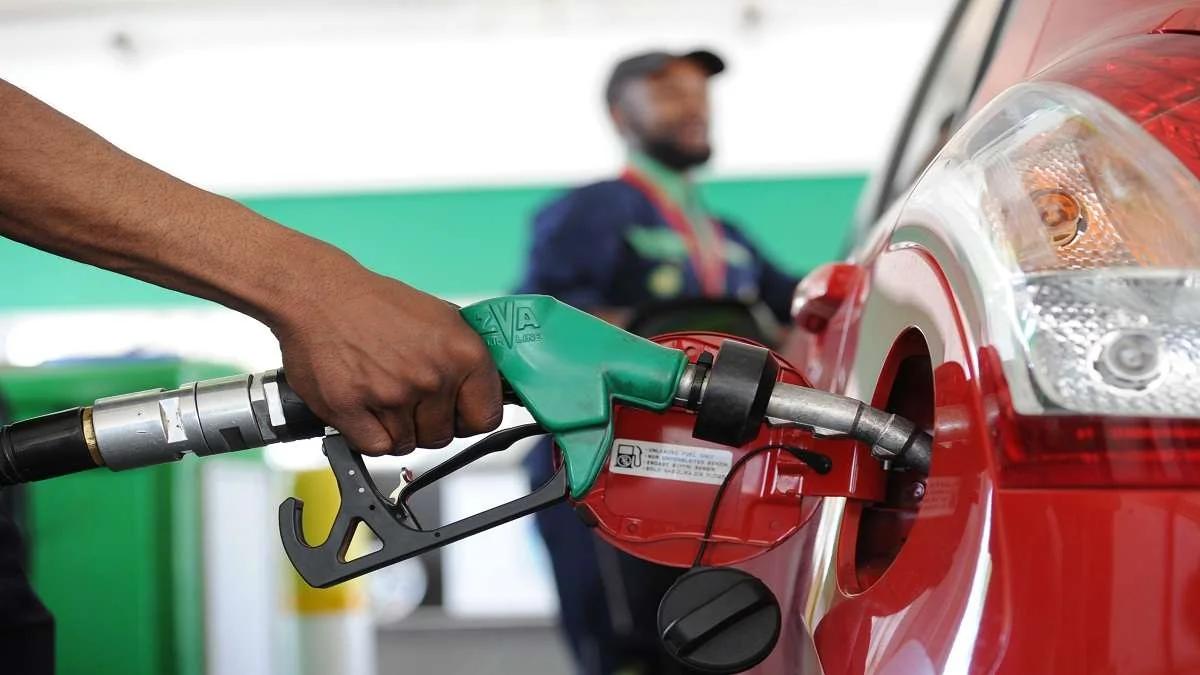
Motorists and commuters across Nigeria are still grappling with high petrol prices and rising transport fares despite the Federal Government’s announced fuel discount initiative, with petrol selling for between N1,400 and N1,505 per litre at some Nigerian National Petroleum Company Limited retail outlets.
Findings by Sunday PUNCH showed that petrol prices remained high in several states, while some motorists who used the NNPC’s mobile application and paid digitally accessed reduced prices at selected filling stations.
The discount has yet to translate into lower transport fares across many routes, as commercial drivers and tricycle operators continue to contend with fuel expenses, vehicle maintenance and other operating costs.
Some motorists also questioned the accessibility of the scheme, particularly the requirement to download and register on the NNPC application and purchase fuel at participating outlets to qualify for the reduction.
Petrol Prices Remain High in Kwara, Gombe
In Ilorin, Kwara State, petrol sold for N1,405 per litre at NNPC retail outlets visited by Sunday PUNCH.
A commercial driver, Kalejaye Yusuf, said the high cost of fuel had reduced the earnings of transport operators, who must balance rising operating expenses with passengers’ ability to pay.
He explained that increasing fares was not always practical because many commuters were already struggling with the rising cost of living.
A government worker, Nana Ismail, said the cost of running her car had become burdensome, forcing her to sometimes park it and use commercial motorcycles.
A journalist, Azeez Arisekola, also questioned the requirement for motorists to download and register on the NNPC mobile application before accessing the discount.
He argued that the process could prevent consumers who were unfamiliar with the application or unable to complete the registration steps from benefiting.
In Gombe State, petrol sold for N1,425 per litre at NNPC retail outlets, while motorists said they had yet to experience meaningful relief.
A motorist, Zainab Mohammad, said she bought petrol at N1,410 per litre despite the announced initiative.
A trader, Suraj, said higher fuel prices had increased the cost of transporting goods, putting pressure on businesses and consumers.
Meanwhile, commercial motorcycle operator Mohammed Sati said fares for some journeys had increased from N500 to between N800 and N1,000.
He explained that operators had to purchase fuel before searching for customers, leaving their earnings vulnerable when demand was weak.
Lagos Drivers Question Implementation of Fuel Discount
In Lagos State, the President of the Joint Drivers Welfare Association of Nigeria, Abiodun Akintade, alleged that the discount was not being implemented at some NNPC filling stations.
He cited outlets in Ijanikin and Iyana-Iba, where he said petrol was selling for N1,355 per litre, the same price charged before the discount was announced.
Akintade said he had visited the NNPC station in Ijanikin, opposite a police station, and found that the price remained unchanged.
He added that the situation was similar at Iyana-Iba.
Kano Commuters Still Pay Existing Fares
In Kano State, petrol sold for N1,420 per litre at NNPC stations visited by Sunday PUNCH, while commercial transport operators said price fluctuations made it difficult to plan their daily expenses.
Three tricycle operators, Abdulkareem Umar, Haruna Yusuf and Tijjani Gwarzo, said recent changes in petrol prices had left them uncertain about the benefits of the discount scheme.
Abdulkareem said he purchased petrol at N1,440 per litre from Aliko Oil on Saturday, adding that the difference between prices at NNPC stations and other outlets was about N10 to N20 per litre.
Commuters also said their fares had not reduced.
A student, Musa Abdullahi, said he continued to pay N500 for transport from Kabuga to his school in Tarauni.
A civil servant, Bala Umar, said his daily journey from Gwammaja to the Audu Bako Secretariat still cost N600.
Another resident, Isma’il Mustapha, said he had yet to notice any reduction in transport fares.
Jigawa Residents Face Higher Transport Costs
In Jigawa State, petrol sold for N1,405 per litre at NNPC stations in Dutse, Gumel and Hadejia.
Filling station attendants said they had not received instructions to implement a price reduction.
An attendant at an NNPC station in Dutse, who spoke on condition of anonymity, said the outlet was still selling petrol at N1,405 per litre.
A market woman, Zuwaira Ibrahim, said her fare from Shuwarin to Dutse New Central Market had increased from N500 to N700, while transport from Dutse to Hadejia had risen from N3,000 to N4,000.
A student of the Federal University, Dutse, Aisha Sani, also complained that tricycle fares for short distances had increased from N200 to N300.
A commercial driver on the Dutse–Kano route, Magaji Garba, said operators could not reduce fares while petrol prices remained high.
A tricycle rider, Ibrahim Danladi, said his daily earnings had fallen from N8,000 before October 1 to about N4,000.
Petrol Hits N1,505 in Niger State
In Minna, Niger State, petrol prices at the NNPC mega station around City Gate fluctuated between N1,450 and N1,505 per litre.
A motorist, Mustapha Abdullahi, who travels to Abuja from Abdulsalami Garage in Minna, said interstate transport fares had increased significantly.
According to him, a journey to Abuja that cost N3,500 last year rose to N7,000 in March and now costs N11,000.
He also blamed the condition of the Minna–Abuja highway for higher transportation costs, saying the road damaged vehicles and increased maintenance expenses.
A tricycle operator, Sadiq Ndanusa, who operates between Kpakungu and Mekunkele in Minna, said journeys that previously cost between N300 and N600 had become difficult to undertake for less than N800.
He said rising fuel costs and frequent vehicle repairs had reduced his earnings and made him consider leaving the business.
Plateau Commuters Yet to Benefit From Lower Fares
In Jos, Plateau State, petrol sold for N1,410 per litre at NNPC stations visited by Sunday PUNCH.
Motorists and commuters said the announced discount had not resulted in lower fares on their regular routes.
A market woman, Saratu Musa, said her daily fare from Terminus to Farin Gada had increased from N300 to between N400 and N500, depending on the driver.
A bus driver on the Terminus–Bukuru route, Sani Abdullahi, said the increase in the NNPC pump price from N1,370 to N1,410 per litre had further reduced his earnings.
A tricycle operator, Emeka Okoro, said his daily profit had dropped from N6,000 to N3,000. He added that he sometimes bought petrol from informal sellers at N1,500 per litre when demand was high.
High Transport Fares Restrict Movement in Kogi
In Kogi State, petrol sold for N1,410 per litre at the NNPC station in Felele, along the Lokoja–Abuja Expressway.
A motorist, Mike Abu, said he had not noticed any change in petrol prices at NNPC stations or other outlets, including MRS stations.
He said he sometimes drove to work, parked his car and used commercial motorcycles for official assignments to manage transportation expenses.
Another resident, Samson Eleijoh, said high transport fares had restricted his movement, preventing him from visiting his parents in Ganaja village for four months.
NNPC App Users Pay N40 Less in Kaduna
In Kaduna State, motorists reported paying N1,379 per litre at some NNPC retail outlets, while customers who used the company’s mobile application and paid digitally paid N1,339 per litre.
The difference amounted to N40 per litre at the outlets reported.
Motorists said fuel prices continued to put pressure on their finances, with some questioning whether the initiative provided sufficient relief.
The station manager at an NNPC retail outlet in Unguwan Sarki, Yusuf Usman, said the discount scheme did not establish a uniform pump price across the country.
Sokoto and Kebbi Motorists Demand Wider Access
Motorists in Sokoto and Kebbi states said petrol continued to sell for N1,430 per litre at the NNPC stations visited.
Some criticised the conditions attached to the discount, arguing that a relief initiative intended to ease economic hardship should be accessible to more consumers.
They called on the Federal Government and the NNPC to review the implementation to ensure that commercial drivers and other Nigerians who depend on transportation for their livelihoods could benefit.
Osun Transport Union Reports Benefits
In Osun State, the state chairman of the National Union of Road Transport Workers, Alhaji Kazeem Oyewale, said commercial drivers had benefited from the fuel discount initiative.
Oyewale confirmed the development in a telephone interview with Sunday PUNCH but said he could not confirm whether the scheme had been discontinued or whether petrol prices had changed.
His comments contrasted with complaints from motorists and commuters in several other states who said they had yet to experience comparable relief.
Borno Motorists Confirm N120 Price Difference
In Borno State, petrol sold for N1,470 per litre at NNPC stations for customers who did not use the company’s application, while app users reportedly paid N1,350 per litre.
A motorist, Francis Chubiyo, confirmed the price difference, saying customers who purchased fuel through the application paid less than those who bought directly.
However, residents said the reduced petrol price had not translated into lower transport fares.
A trader, Maryam Nda, said fares on her regular routes remained unchanged, adding that electric taxis offered a cheaper alternative on some journeys.
A tricycle operator, Ibrahim Gana, said not all operators purchased fuel from NNPC stations or knew how to use the application.
He questioned the benefit of travelling to an NNPC station when the price difference was relatively small compared with other filling stations.
NNPC Explains Why Petrol Prices Differ
The NNPC’s Chief Corporate Communications Officer, Andy Odeh, said petrol prices would not be uniform nationwide because of differences in location, transportation and logistics costs.
He explained that not all NNPC retail outlets were participating in the discount initiative and advised customers to use the company’s mobile application to identify eligible stations.
Odeh also said customers were required to download and register on the application to qualify for the N66-per-litre reduction.
According to him, the platform allows the company to track the number of beneficiaries and calculate the total value of discounts granted.
The explanation suggests that access to the initiative depends on the participating outlet, the customer’s use of the application and the applicable local pump price.
However, reports from several states indicate that many motorists and commuters remain concerned about the scheme’s accessibility and its limited impact on transport fares.
For commercial drivers, motorcycle operators, traders and other Nigerians who depend on daily transportation, the central concern remains whether the announced fuel relief will translate into sustained reductions in operating expenses and the cost of everyday travel.