
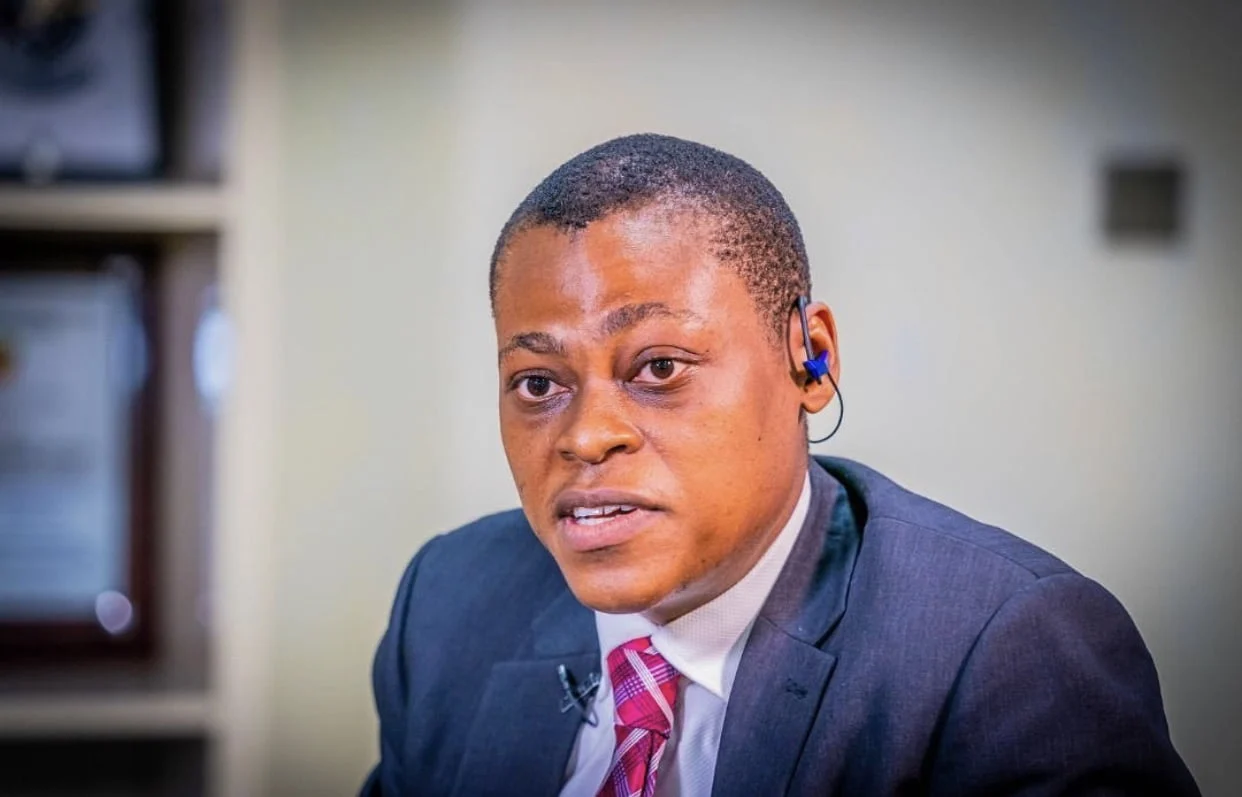
Arise Television’s Morning Show anchor, Rufai Oseni, has questioned Peter Obi’s preparedness for the 2027 presidential election, criticising his alleged lack of political visibility, policy inconsistencies and reported disagreements between his political camp and the Nigeria Democratic Congress (NDC).
Oseni also expressed concern over the relationship between Obi’s political movement and the NDC, questioning whether the party was adequately representing the aspirations of supporters hoping to challenge President Bola Tinubu in the next general election.
The broadcaster made the remarks on Friday while reacting to comments by Peoples Democratic Party (PDP) chieftain, Chief Don Ulasi, who described Obi as the only serious opposition figure capable of mounting a challenge against Tinubu in 2027.
Oseni Questions Obi’s Political Organisation Ahead of 2027
Ulasi had pointed to the Federal Government’s challenges, including inflation and rising food prices, as factors that could strengthen the opposition’s chances in the 2027 presidential election.
However, the PDP chieftain expressed reservations about the opposition’s ability to translate public dissatisfaction into electoral support, citing what he described as insufficient grassroots mobilisation and a lack of town hall meetings by the NDC leadership.
Responding to the assessment, Oseni questioned Obi’s political organisation and raised concerns about reported disagreements between his camp and the NDC.
He said there were disagreements between the political movement associated with Obi and the party, adding that some supporters reportedly doubted whether the NDC leadership was genuinely committed to their hopes and aspirations.
Oseni’s comments placed the spotlight on the challenge facing opposition figures as political parties and movements position themselves for the 2027 general election.
Rufai Oseni Faults Peter Obi’s Position on Petrol Subsidy
The television anchor also criticised Obi’s handling of the petrol subsidy debate, questioning the consistency of the former Anambra State governor’s position on the policy.
According to Oseni, Obi had not provided sufficient clarity on his manifesto and had appeared to change his position on whether petrol subsidy should be retained or removed.
“Today, where is his manifesto? He was nowhere, he was found nowhere in the subsidy debate. He said something, then he flip flop on the subsidy,” Oseni said.
He further argued that Obi had initially indicated support for retaining the subsidy before subsequently advocating its removal, while promising to address corruption associated with the policy.
Oseni’s criticism centred on whether Obi had clearly communicated a consistent economic policy position to voters ahead of the next presidential election.
The debate over petrol subsidy remains a significant issue in Nigeria’s economic and political discourse, particularly amid concerns about the cost of living, inflation and the impact of government policies on households.
2027 Election: Oseni Says Obi Has Lost Some Supporters
Oseni also argued that Obi had lost some of the supporters who backed him during the 2023 presidential election.
He attributed the alleged loss of support partly to what he described as inconsistencies in Obi’s public positions, suggesting that questions surrounding his policy direction could affect his political appeal ahead of 2027.
“So a lot of people have found him flip-flopping, and he has also lost a lot of people from the last election cycle that supported him,” Oseni added.
The claim reflects Oseni’s assessment of Obi’s political standing. However, the remarks did not establish the scale of any loss of support through polling data or other independent evidence.
Obi emerged as a major opposition figure during the 2023 presidential election, attracting substantial support from voters who rallied around his campaign and the Obidient Movement.
Whether he can sustain or expand that support will be an important consideration as political alignments develop ahead of the 2027 election.
Opposition Unity Under Scrutiny Ahead of 2027
The reported disagreements involving Obi’s political movement and the NDC have also raised questions about opposition unity and the ability of political groups to coordinate their efforts ahead of the next general election.
For opposition parties seeking to challenge Tinubu, grassroots mobilisation, clear policy proposals and effective cooperation could prove important in converting public dissatisfaction into electoral gains.
Ulasi’s endorsement of Obi as a leading opposition contender contrasts with Oseni’s concerns about the former Anambra governor’s visibility, policy consistency and political organisation.
As preparations for the 2027 general election continue, the positions of opposition leaders, the strength of their political structures and the clarity of their policy proposals are likely to remain subjects of public debate.
DAILY POST reports that Obi’s political platform and the cohesion of opposition parties are expected to remain key issues as political actors position themselves ahead of the 2027 general election.