
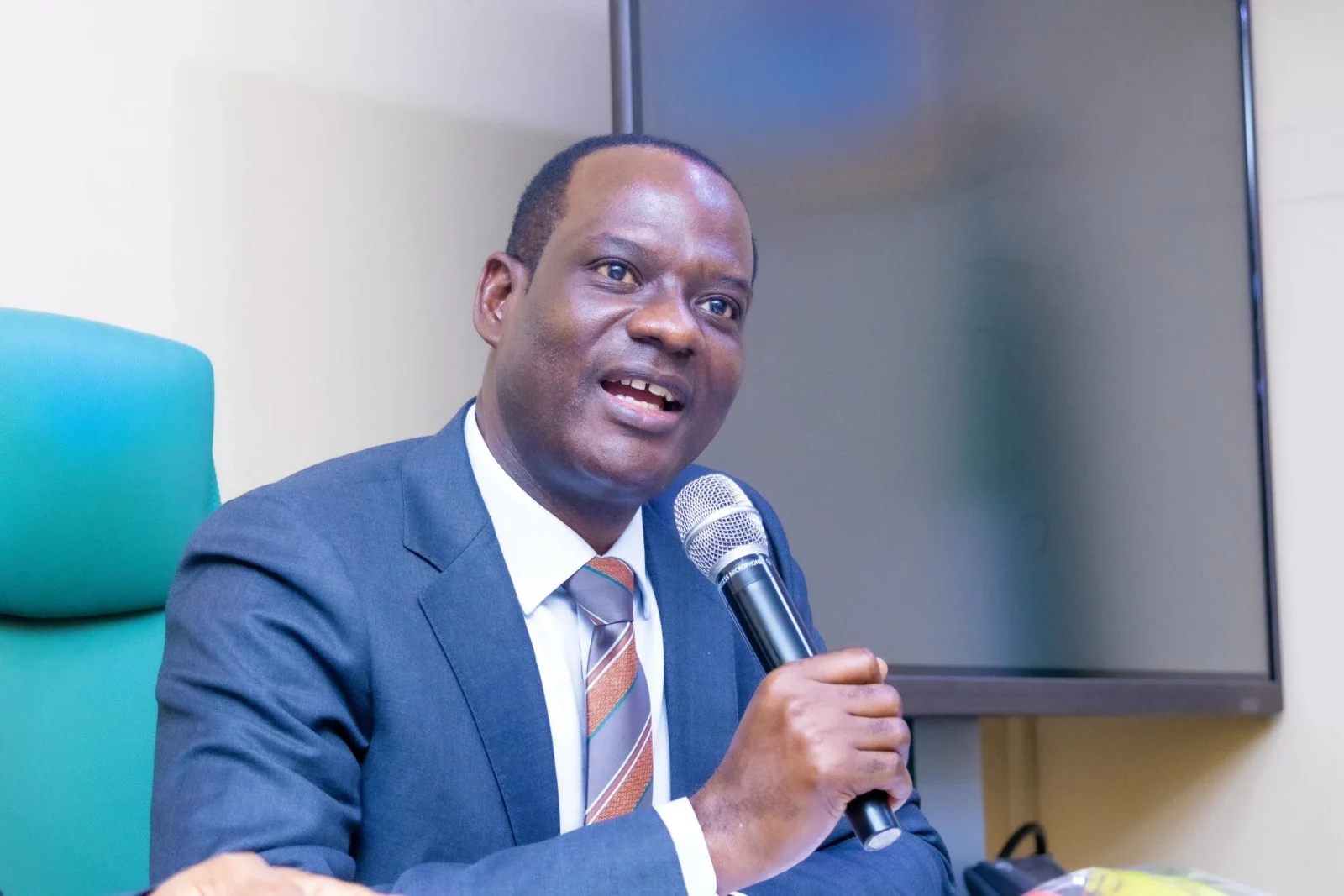
Nigeria’s Minister of Finance and Coordinating Minister of the Economy, Taiwo Oyedele, has ruled out a return to fuel subsidies and multiple foreign exchange rates, insisting that the Federal Government will maintain its current economic reform policies ahead of the 2027 general elections.
Oyedele made the declaration on Saturday on the sidelines of the World Bank and International Monetary Fund (IMF) meetings in Bangkok, Thailand, amid renewed political debates over the future of Nigeria’s fuel subsidy policy.
The minister said concerns about a possible reversal of the government’s economic reforms had repeatedly surfaced during engagements with investors, credit rating agencies and international financial institutions.
According to him, the administration remains committed to the removal of fuel subsidies and the liberalisation of the foreign exchange market.
“And let me be clear as well, this was a recurring question almost through all our engagements, but also with the rating agencies, with the investors, and the multilateral institutions. Every time they ask, are you reversing your plans? Are you bringing back subsidies? Let me be clear, there will be no return to fuel subsidies or multiple exchange rates,” Oyedele said.
NNPC’s 30-Day Petrol Price Intervention
Oyedele also clarified that the Nigerian National Petroleum Company Limited’s (NNPC) recently announced 30-day retail margin discount should not be interpreted as a return to fuel subsidies.
The intervention involves the state-owned oil company selling petrol at cost price for approximately 30 days, a move that has prompted debate over whether the arrangement amounts to a subsidy.
The government has maintained that the measure is a temporary commercial decision rather than a publicly funded subsidy programme.
“The recent 30-day retail margin discount… is a time-bound commercial decision by the NNPC to reduce margins and support Nigerians. It is not a subsidy paid from public funds,” the minister said.
The clarification comes as Nigerians continue to contend with elevated energy costs and broader cost-of-living pressures following the government’s economic reforms.
Economic Reforms Remain a Political Flashpoint
Since President Bola Tinubu assumed office, his administration has pursued major economic changes, including the removal of the petrol subsidy, foreign exchange market reforms and tax reforms.
The government has defended the measures as necessary to address fiscal pressures, improve economic management and strengthen public finances.
However, the reforms have also attracted criticism from Nigerians facing higher transportation costs, rising prices and persistent inflationary pressures.
International development and financial institutions have welcomed aspects of the reform agenda, particularly its implications for fiscal sustainability. Nevertheless, concerns remain over the immediate impact on households and businesses.
The issue has increasingly featured in political discussions ahead of the 2027 general elections, with opposition figures advocating alternative approaches to fuel pricing and economic management.
Atiku Abubakar of the African Democratic Congress (ADC) and Peter Obi of the Nigerian Democratic Congress (NDC) have been among the opposition figures associated with calls for changes to the current subsidy policy.
Oyedele’s latest remarks signal that the government does not intend to reverse its central policy positions on fuel subsidies and foreign exchange market liberalisation, despite growing public concerns and political pressure.
The minister’s distinction between the NNPC’s temporary retail margin discount and a government-funded subsidy also underscores the administration’s position that the latest intervention does not represent a reversal of its economic reform programme.