
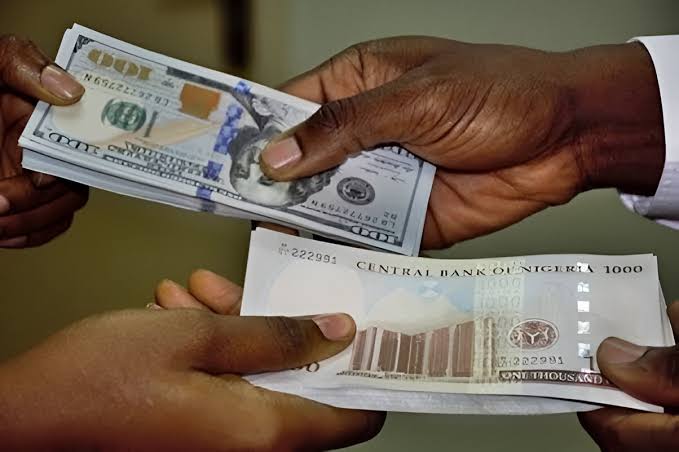
The Nigerian naira maintained a relatively stable position against the US dollar across foreign exchange markets in early October 2026, with the official exchange rate hovering around ₦1,329.34 per dollar while the parallel market rate stood at approximately ₦1,385.
The latest figures indicate a continued gap between the Nigerian Foreign Exchange Market (NFEM) and the parallel, commonly known as the black market, reflecting differences in dollar demand, supply and access across the country’s foreign exchange channels.
Official Dollar to Naira Exchange Rate Today
At the Nigerian Foreign Exchange Market, the naira traded around ₦1,329.34 to the US dollar. Official market rates reportedly remained within a narrow range of ₦1,327 to ₦1,332 per dollar during the early part of October.
The relatively tight trading range suggests limited short-term fluctuations in the official market. Foreign exchange liquidity management and monetary policy measures by the Central Bank of Nigeria (CBN) remain important factors influencing currency movements.
However, the naira’s performance will also depend on dollar supply, foreign investment flows, import demand and developments in the country’s external reserves.
Black Market Dollar to Naira Rate
In the parallel foreign exchange market, the US dollar exchanged for approximately ₦1,385, according to the supplied market figures.
The difference between the official and parallel market rates highlights the continuing demand for foreign currency outside the formal market. Individuals and businesses seeking dollars for travel, personal transactions and other payments may face different exchange rates depending on the channel used.
Parallel market rates can vary by location, dealer and transaction size. As a result, the quoted figure should be treated as indicative rather than a guaranteed rate for every transaction.
Difference Between Official and Black Market Rates
Based on the reported figures, the dollar traded approximately ₦55.66 higher in the parallel market than in the official NFEM window.
This represents a gap of about 4.2 per cent relative to the official rate, underscoring the difference between the two foreign exchange channels.
The size of the spread can change as dollar availability, market demand and liquidity conditions evolve. A narrower gap may indicate improved alignment between the markets, while a widening difference can point to persistent pressure in segments of the foreign exchange market.
What Is Supporting the Naira?
Several factors could influence the naira’s relatively stable performance during the period.
Central Bank policies: Monetary policy decisions and foreign exchange liquidity management can influence demand for dollars and conditions in the official market.
External reserves: The level and movement of Nigeria’s foreign exchange reserves are important indicators of the country’s capacity to meet external obligations and support market confidence.
Trade and foreign exchange inflows: Export earnings, foreign investment and other dollar inflows can affect the availability of foreign currency in the domestic market.
Demand for dollars: Import payments, international education expenses, travel and other foreign currency needs continue to influence demand across formal and informal markets.
Although these factors can help explain currency movements, the latest exchange rate figures alone do not establish the extent to which each factor contributed to the naira’s performance.
Outlook for the Naira in the Fourth Quarter of 2026
As Nigeria enters the final quarter of 2026, market participants will continue to monitor official foreign exchange turnover, external reserve movements, dollar supply and changes in demand.
The naira’s near-term direction will depend on how these factors interact with domestic monetary policy and broader international currency movements. Continued stability in the official market could support confidence, but the parallel market spread remains an important indicator to watch.
For individuals and businesses planning dollar transactions, checking current rates from authorised financial institutions and reliable market sources remains essential, as exchange rates may change throughout the trading day.
Note: The exchange rates cited in this report are based on the supplied market figures and are indicative. Actual buying and selling rates may differ by provider and transaction conditions.